
PCB assembly connects design intent with physical product. Circuit performance, mechanical constraints and component selection all move from schematic and layout into a manufactured board. Any gap between engineering and manufacturing at this stage introduces risk into the build.
Collaboration reduces that gap as it brings design, manufacturing and procurement into a shared workflow from the start. Decisions are reviewed against real production capability, constraints become visible earlier, and adjustments can be made before they affect cost, timing or quality.
For electronics manufacturers, collaboration and PCB assembly are closely linked. When communication and technical alignment are in place, projects move from prototype to production with fewer disruptions and more predictable outcomes.
Clear Communication Between Engineering and Manufacturing Teams
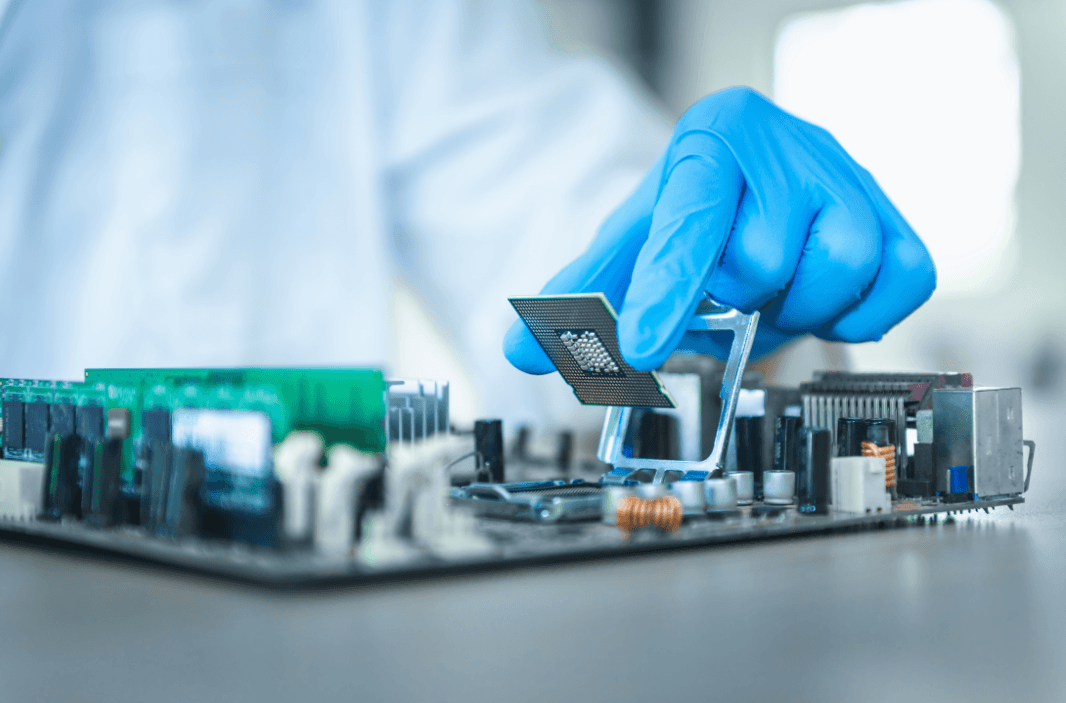
PCB assembly relies on the accurate transfer of design data into production processes. Design engineers define electrical behaviour and layout constraints. Manufacturing teams translate that into stencil design, placement programming, soldering profiles and inspection stages.
Without clear communication, this translation can introduce errors. Component orientation may be misinterpreted. Tolerances may not align with placement capability. Assembly constraints may not be visible during layout.
Sharing full technical data early reduces this risk. Gerber files, pick-and-place data, bill of materials, and stack-up information must be reviewed together. Manufacturing teams can then confirm whether the design fits within process capability.
Communication must continue throughout the build. Engineering change notices, revision updates and production feedback all need to move quickly between teams. This maintains alignment and keeps design intent consistent through each stage of assembly.
Scale Your Production
From prototype to full-scale electronic assembly, our UK facility is equipped to handle your requirements.
Get a QuoteEarly Design for Manufacture Discussions
Design for manufacture discussions allow manufacturing teams to review layouts before release. This is where many assembly risks can be removed early.
Component spacing, pad geometry and orientation all influence how the board will move through placement and reflow. Panelisation strategy affects handling and throughput. Stencil design affects solder volume and joint formation.
Early collaboration allows these factors to be assessed before they become fixed in the design. Adjustments at this stage are far less disruptive than changes during production.
This becomes more important with complex board types. Projects involving flexible PCBs introduce additional constraints around material stability, bend radius and thermal exposure during assembly. These factors must be considered during layout, not after release.
Early DFM input helps identify cost drivers, reduce assembly variation and improve first-pass yield.
Faster Problem Solving During Production
Even with strong preparation, issues can arise during assembly. Component tolerances, process variation or unexpected board behaviour can affect the build.
Collaboration allows these issues to be addressed quickly. Engineers and manufacturing teams can review the problem together, comparing design intent with actual process conditions. Data from AOI, X-ray or test stages can be used to identify the source of the issue.
Once identified, adjustments can be made without delay. This may involve refining reflow profiles, adjusting placement parameters or reviewing component selection. With both teams aligned, changes can be implemented in a controlled way.
This reduces downtime and prevents issues from affecting multiple batches. Problems are contained within the active production window rather than extending across the schedule.
Engineering-Led Solutions
Work with a team that understands modern electronics and end-to-end manufacturing.
Our ExpertiseReducing Design Errors Before Assembly Begins
Design errors are one of the most common causes of production disruption. Issues such as incorrect footprints, insufficient spacing or incompatible components can prevent a board from being assembled correctly.
Collaborative design reviews provide a structured way to identify these risks. Manufacturing teams assess layouts against assembly capability, checking for placement constraints, solder joint accessibility and thermal considerations.
Component compatibility is reviewed against process requirements. Fine-pitch devices, sensitive components and mixed technology assemblies require specific handling during placement and soldering.
By resolving these issues before release, teams reduce the likelihood of rework, scrap or redesign. This protects both production timelines and development budgets.
Better Planning Around Component Availability
Component availability plays a central role in PCB assembly scheduling. Lead times can vary significantly across semiconductors, connectors and passive components. Supply constraints can affect build dates if not addressed early.
Collaboration allows these risks to be identified during the design phase. Procurement teams can highlight components with long lead times or limited availability. Engineering teams can review alternatives before the design is finalised.
Approved alternates reduce dependency on single-source components. This supports continuity if supply conditions change. It also allows build schedules to remain stable when availability shifts.
Aligning design decisions with procurement input creates a more reliable production plan and reduces the risk of delays linked to material shortages.
Ready to start your project?
Contact our technical team today to see how Altimex can streamline your electronics supply chain.
Contact UsMore Efficient Prototyping and Product Iteration
Prototype assembly is where design meets physical validation. Early builds provide data on performance, manufacturability and potential failure points.
Collaboration improves this stage by shortening feedback loops. Manufacturing teams can provide immediate input on assembly behaviour, placement challenges or soldering results, and engineers can adjust designs based on real build data.
Each iteration becomes more efficient, issues identified in one build can be resolved before the next, and process parameters can be refined alongside design changes.
This leads to a smoother transition into production. The knowledge gained during prototyping carries forward, reducing uncertainty during scale-up.
Improved Quality Control Across the Entire Project
Quality control depends on alignment between design requirements and manufacturing processes. Collaboration allows both sides to define how quality will be measured and maintained.
Inspection strategies can be agreed upon early. AOI can verify placement and solder joints after reflow. An X-ray can assess hidden connections. In-circuit and functional testing confirm electrical performance.
These processes are typically aligned with recognised standards such as IPC-A-610 and J-STD-001. Combined with traceability and batch control, they provide a structured approach to maintaining consistency.
Early collaboration helps identify potential defect risks before they appear in production, which reduces variation between builds and improves long-term reliability.
Stronger Transparency Around Production Progress
Clear visibility during production allows teams to manage projects more effectively. Collaboration supports structured reporting and regular updates throughout the build.
Manufacturing partners can provide status against each stage, including assembly progress, inspection results and test outcomes, and any deviation from plan can be flagged early.
This allows engineering and operations teams to respond before delays escalate. Adjustments to scheduling, procurement or design can be made with current information.
Transparency reduces uncertainty and supports better coordination across departments.
Building Long Term Manufacturing Partnerships
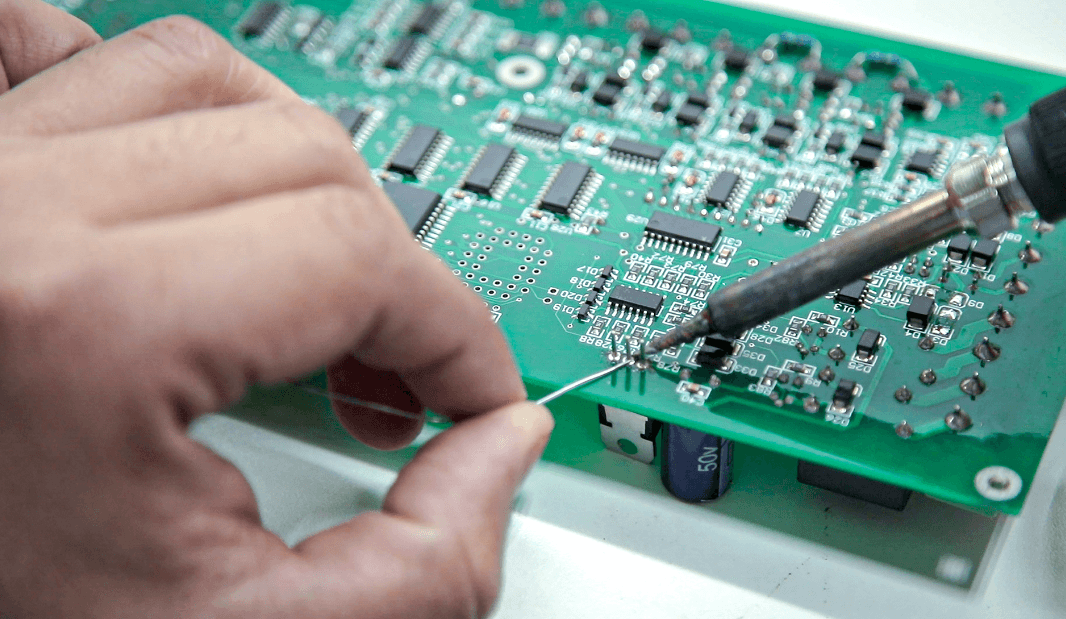
Repeated collaboration builds familiarity between teams, allowing manufacturing partners to gain a deeper understanding of product requirements, assembly constraints and performance expectations.
Communication becomes more efficient over time, shared processes develop, and technical discussions become more focused and productive.
This continuity improves efficiency across multiple projects as setup time reduces and risks are identified earlier, meaning production moves with fewer interruptions.
Long-term partnerships support more stable manufacturing outcomes and more predictable delivery.
How Collaboration Leads to More Reliable PCB Assembly Outcomes
Collaboration connects design, manufacturing and supply chain into a single process. Communication improves accuracy. Early DFM input reduces design risk. Procurement alignment stabilises material availability.
Production benefits from faster issue resolution, structured inspection and clear visibility. Prototyping cycles become more efficient and quality remains consistent across batches.
For electronics manufacturers, collaboration and PCB assembly are directly linked to reliability. Projects move through development and production with greater control and fewer disruptions.
If you are looking to work with a manufacturing partner that supports this level of collaboration, you can contact us to discuss your project requirements.