

Electronics products rarely fail for a single reason. Failure builds across planning, design, sourcing and manufacturing. Each stage introduces risk, and when those risks are not controlled, products either fail during validation or reach the market with underlying reliability issues.
Engineering teams are often working against compressed timelines, product teams are driving release targets, and operations teams are managing cost and supply constraints. If these functions are not aligned, decisions made early in development can create problems that surface later in production.
PCB design, component selection and assembly processes all influence the final outcome. So, small inconsistencies at any stage can affect manufacturability, performance and long-term reliability.
Poor Early Stage Product Planning
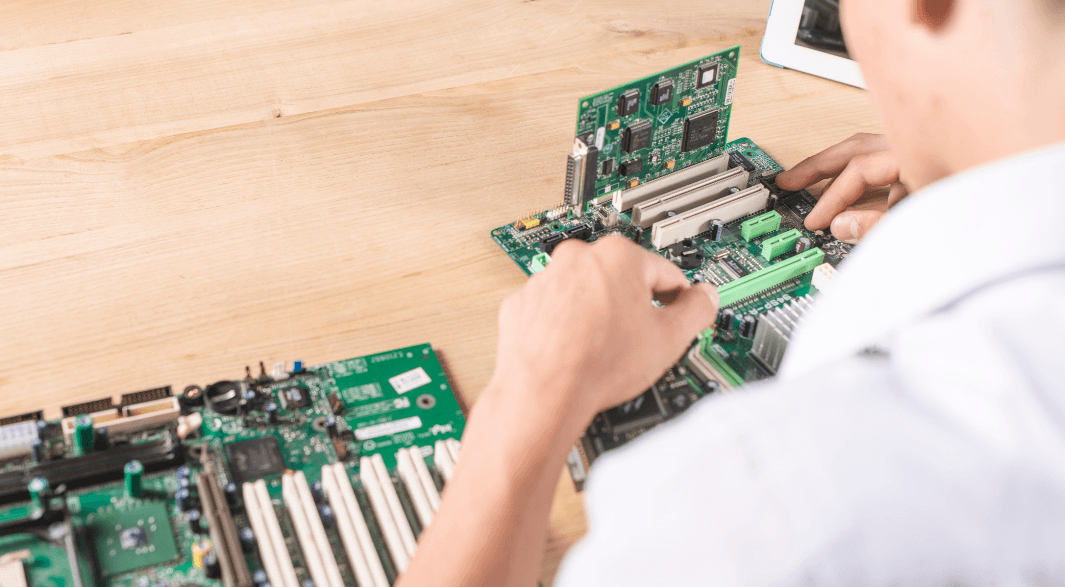
Product planning defines the direction of development. Weak definition at this stage introduces risk that carries through the entire lifecycle.
Unclear requirements lead to variation in design interpretation. Engineering teams may work with incomplete performance targets or undefined constraints, resulting in multiple revisions and inconsistent outputs.
Unrealistic timelines compress key stages such as layout review, prototyping and validation. Manufacturing complexity is often underestimated, particularly for high-density PCB assemblies or mixed-technology builds.
Limited coordination between engineering, operations and procurement creates gaps in planning. Component strategy may not align with design, and manufacturing capability may not be considered early enough.
These early decisions shape cost, build complexity and delivery timelines. Once the design progresses, correcting them becomes more disruptive and more expensive.
Scale Your Production
From prototype to full-scale electronic assembly, our UK facility is equipped to handle your requirements.
Get a QuoteDesign Issues That Create Manufacturing Problems
Design decisions directly affect how a PCB can be assembled. Layouts that appear functional at the schematic level can introduce constraints during production.
Tight component spacing can exceed placement tolerances. Poor pad design affects solder joint formation. Inadequate thermal relief can lead to uneven heating during reflow. Panelisation choices can limit throughput and handling stability.
Without design for manufacture input, these issues often go unnoticed until assembly begins. At that point, correction requires redesign, which delays production and introduces additional validation cycles.
Component orientation and accessibility also affect inspection. If joints cannot be verified through AOI or require complex X-ray analysis, defect detection becomes less efficient.
Working with experienced providers, such as Altimex, allows these risks to be identified earlier. DFM reviews align design intent with real assembly capability before release.
PCB Assembly Problems That Affect Product Reliability
Assembly quality determines how a product performs in use. Small process variations can create faults that are not immediately visible.
Solder joint integrity is a key factor as issues such as insufficient wetting, voiding or bridging can weaken electrical connections. These faults may pass initial inspection but fail under thermal cycling or mechanical stress.
Component placement accuracy affects both electrical performance and reliability. Misalignment can introduce stress on leads or reduce contact stability over time.
Process control plays a central role as reflow profile stability, placement calibration and handling procedures all influence consistency. Variation across batches can lead to unpredictable performance in the field.
Inspection stages such as AOI and X-ray help detect defects, but their effectiveness depends on how well the assembly process is controlled upstream.
Designs involving flexible PCBs introduce additional sensitivity. Material movement, bend requirements and thermal exposure during assembly increase the need for controlled processes and consistent handling.
Engineering-Led Solutions
Work with a team that understands modern electronics and end-to-end manufacturing.
Our ExpertiseComponent Availability and Supply Chain Challenges
Component availability continues to affect electronics development. Lead times can change without warning, particularly for semiconductors and specialised devices.
Supply constraints may force redesign late in the project, and alternative components require validation, which introduces further delay. In some cases, performance characteristics differ, requiring additional engineering work.
Global demand shifts can lead to allocation, where supply is limited to certain customers or volumes, which restricts production flexibility.
Obsolescence presents another risk, as components may reach end-of-life during development, forcing redesign and retesting.
Without alignment between engineering and procurement, these issues can disrupt schedules and delay product release.
Insufficient Prototyping and Testing
Prototyping provides the first opportunity to validate both design and assembly, so reducing this stage increases the likelihood of failure later.
Prototype builds reveal issues that are not visible in simulation. Signal integrity problems, thermal behaviour and assembly constraints all require physical validation.
Skipping iterations limits the ability to refine the design. Issues that could be resolved early instead appear during production, where correction is more complex.
Testing must reflect real operating conditions. Functional testing, environmental testing and stress testing all play a role in identifying weaknesses.
When testing is limited, products may pass initial checks but fail under actual use conditions. This creates risk at launch and increases the likelihood of field failures.
Ready to start your project?
Contact our technical team today to see how Altimex can streamline your electronics supply chain.
Contact UsWeak Communication Between Engineering and Manufacturing Teams
Communication gaps between design and manufacturing create avoidable risk. Engineers may design without full visibility of process capability. Manufacturers may receive incomplete or unclear data.
This leads to misinterpretation during assembly. Placement requirements may not align with machine capability. Process constraints may not be considered during layout.
Delayed feedback increases the impact of these issues. Problems identified during production require redesign, which disrupts schedules.
Alignment between teams allows manufacturability issues to be addressed early and means that design intent can be reviewed against process capability before release.
Production Delays That Disrupt Launch Timelines
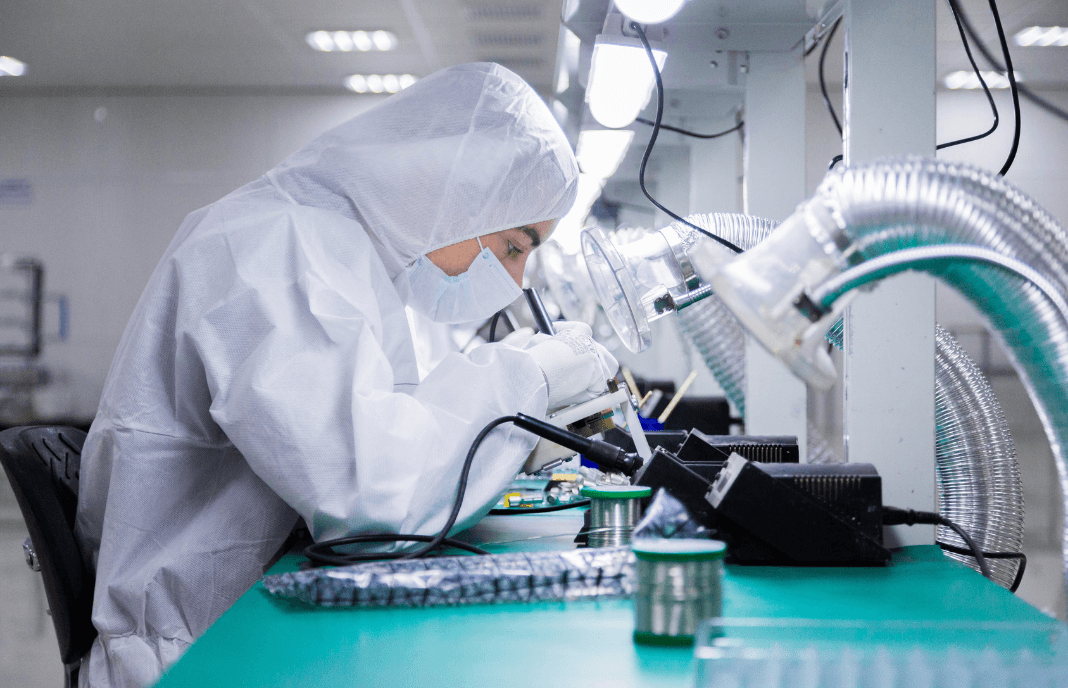
Production delays often begin at PCB assembly level. A delay in one stage can affect the entire build sequence.
Bottlenecks may occur due to equipment availability, process inefficiencies or scheduling conflicts. A single delay can push multiple batches out of alignment.
Component shortages can halt production completely and, even with assembly capacity available, missing parts prevent completion.
These delays affect more than manufacturing. Marketing and sales plans depend on stable delivery timelines and missed launch dates reduce market impact and create uncertainty.
Reliable production partners and stable processes support predictable output and reduce the risk of disruption.
Quality Control Problems During Manufacturing
Quality control systems define how defects are identified and contained. Weak systems allow faults to pass through production.
Inspection must occur at multiple stages. AOI verifies placement and solder joints after reflow, X-ray detects hidden defects, and in-circuit and functional testing confirm electrical performance.
Without structured inspection, defect escape increases. Issues may only appear during final test or after deployment.
Variation in assembly standards creates inconsistency across units, affecting reliability and increases failure rates.
Traceability allows issues to be tracked back to specific batches, materials or process conditions. Without it, root cause analysis becomes more difficult.
Strong quality control maintains consistency and reduces the risk of field failure.
Cost Pressures That Lead to Compromised Decisions
Cost pressure affects decision-making throughout development. Short-term savings can introduce long-term risk.
Lower-cost components may not meet the same performance or reliability requirements and reduced testing lowers upfront cost but increases failure risk. Therefore, selecting suppliers based on price alone can affect both quality and delivery performance.
These decisions shift cost from development into production and post-release support. Rework, warranty claims and product recalls increase overall expenditure.
Balanced decisions support both cost control and product reliability.
How the Right PCB Assembly Partner Can Reduce These Risks
A capable PCB assembly partner supports the product lifecycle from early design through to full production. DFM input aligns the layout with process capability before release. Controlled assembly processes maintain consistency across builds.
Inspection systems, including AOI, X-ray and electrical testing, verify at each stage. Traceability supports quality control and root cause analysis.
Clear communication keeps engineering, procurement and manufacturing aligned. Issues are identified early and resolved within controlled processes.
For organisations looking to reduce manufacturing risk and improve product reliability, working with an experienced partner provides a more stable foundation. You can contact us at Altimex to discuss your requirements and current challenges.