

Electronics manufacturing strategy is shifting. Engineering teams are working with tighter release cycles, higher design density, and stricter performance requirements. At the same time, operations and procurement teams are under pressure to maintain stable production without increasing cost exposure.
This has led to a clear trend; more electronic companies outsourcing PCB assembly are doing so to maintain control over production while managing growing technical demands.
Internal manufacturing still plays a role, yet specialist partners now provide process stability, inspection capability and production capacity that many in-house environments struggle to sustain at scale.
Electronics Products Are Becoming More Complex to Manufacture
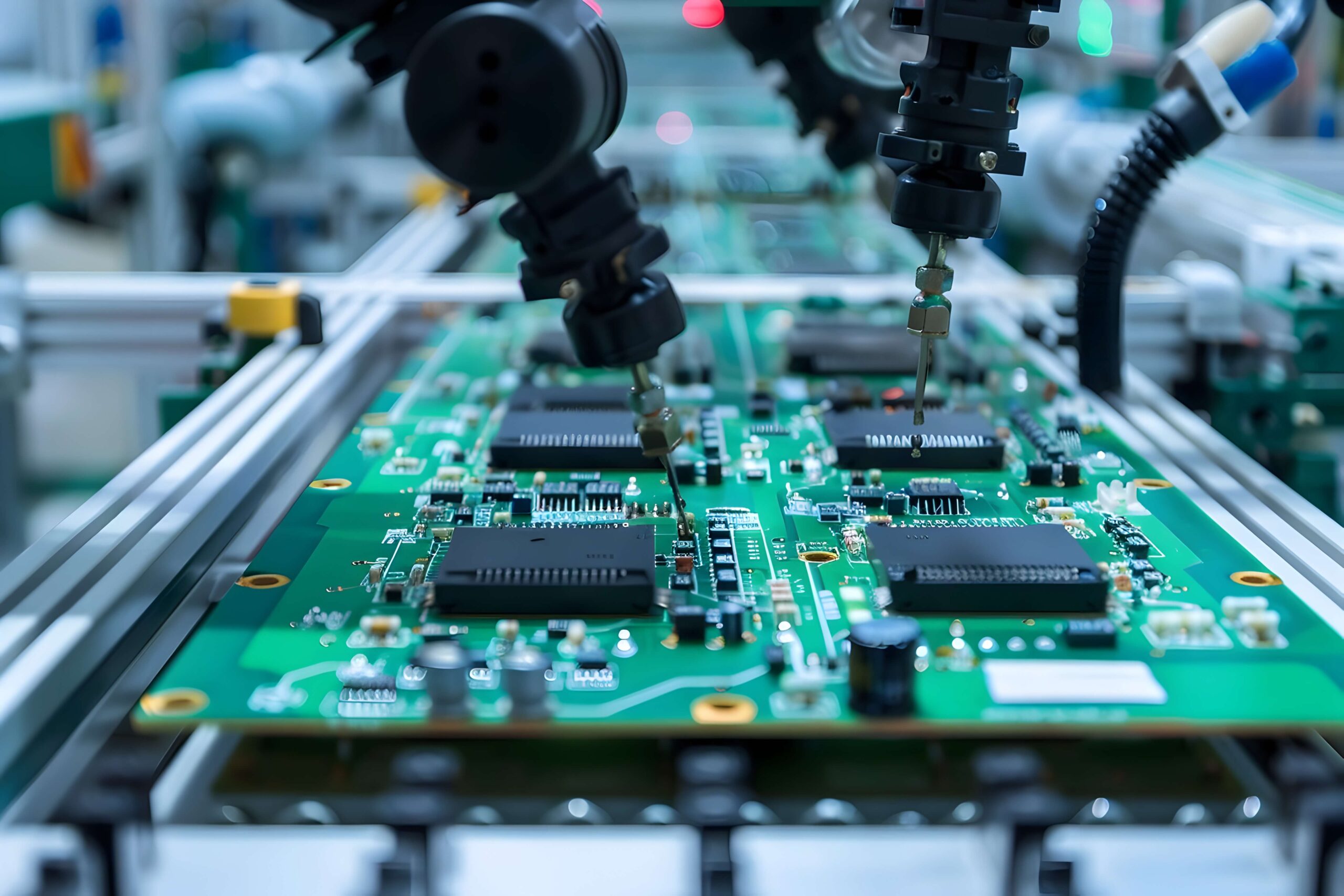
Electronic products now carry more functionality within smaller footprints. Multilayer PCB designs with higher layer counts, fine-pitch components and mixed technology assemblies are now common across sectors including industrial, medical and communications.
Each of these factors increases assembly difficulty. Placement accuracy becomes tighter. Reflow profiles must remain stable across dense component areas. Thermal management becomes more sensitive, particularly where power devices and high-speed signals share the same board.
Connected systems add further complexity. IoT enabled products require integration of processing, sensing and communication within a single assembly. That introduces more interfaces, more potential failure points and stricter validation requirements.
Internal teams must manage this alongside output targets. As product variation increases, maintaining consistent assembly quality across multiple builds becomes harder. This is often the point where companies begin to look for external support with experience across complex PCB assemblies.
Scale Your Production
From prototype to full-scale electronic assembly, our UK facility is equipped to handle your requirements.
Get a QuoteAccess to Specialist PCB Assembly Expertise
Specialist PCB assembly providers build experience through repeated exposure to different product types, materials and assembly challenges. That experience feeds directly into process control, component handling and build consistency.
They understand how to manage complex layouts, high component density and mixed assembly techniques. This includes control over stencil design, placement accuracy, reflow profiling and selective soldering where required. Early-stage DFM input helps reduce risk before a design reaches production.
They can support a wide range of board types, including rigid, multilayer and more complex formats such as flexible PCBs, where material movement, bend requirements and temperature sensitivity introduce additional process constraints.
Access to engineers who work across multiple programmes provides practical insight that internal teams may not build at the same pace. This improves manufacturability and stabilises output across batches.
Faster Production Without Expanding Internal Facilities
Expanding internal PCB assembly capability requires investment across several areas. Equipment such as pick-and-place systems, reflow ovens, inspection platforms and test equipment must be installed and maintained. Floor space must be allocated. Skilled operators and technicians must be recruited and trained.
Outsourcing removes that requirement. Production lines are already established, with defined workflows and inspection stages in place. Companies can increase output without waiting for internal expansion or committing capital to new infrastructure.
This shortens the time between demand increase and production response. It allows businesses to move from prototype through to volume production without the delay associated with building internal capacity.
Engineering-Led Solutions
Work with a team that understands modern electronics and end-to-end manufacturing.
Our ExpertiseGreater Flexibility When Demand Changes
Production demand rarely remains stable. Order volumes can increase with new contracts, then reduce as product lifecycles move forward. Internal manufacturing setups are often less adaptable to these shifts.
Outsourced PCB assembly provides a more flexible model. Production volumes can be adjusted based on requirement, from low-volume prototype runs through to higher volume builds. This reduces the risk of underused equipment or overcommitted internal resources.
It also allows companies to respond more quickly to market changes. New product variants, revised designs or unexpected demand can be accommodated without restructuring internal operations.
Improved Quality Control and Manufacturing Standards
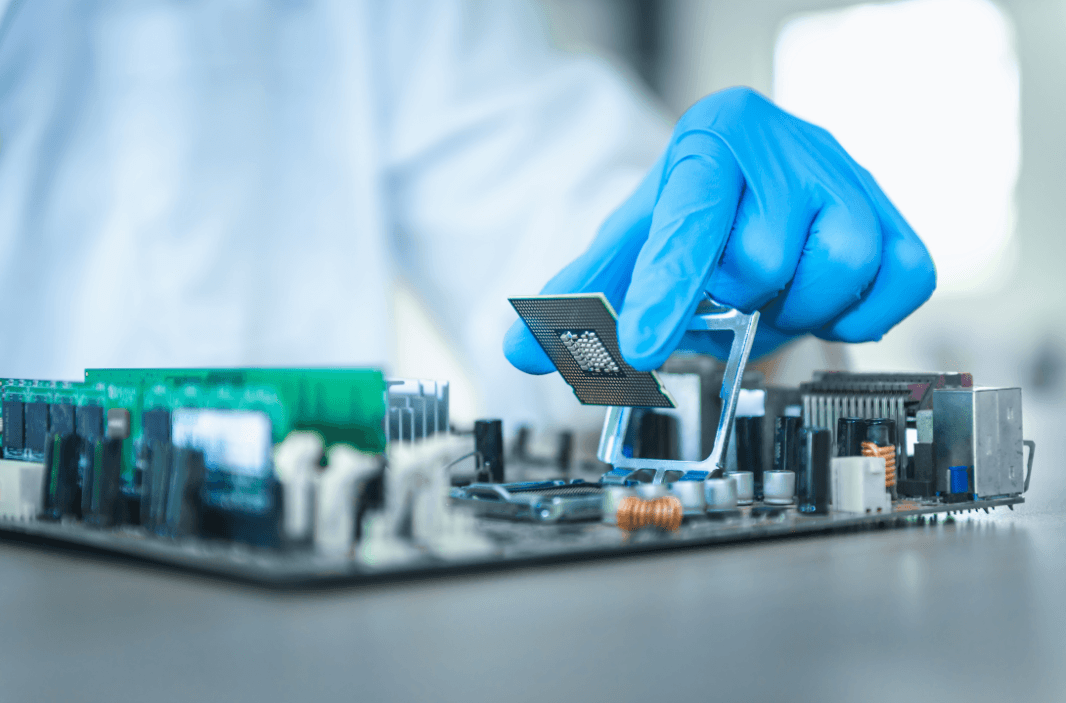
Specialist manufacturers operate with defined process control across each stage of assembly. Component placement, soldering, inspection and test follow structured procedures designed to maintain consistency across builds.
Inspection is not limited to a single stage. Automated optical inspection checks placement and solder joints after reflow. X-ray inspection supports analysis of hidden joints such as BGAs. In-circuit test and functional test validate electrical performance before release.
These processes are typically aligned with recognised standards such as IPC-A-610 for workmanship and J-STD-001 for soldering. Combined with batch traceability and documented process control, this creates a stable manufacturing environment.
For OEMs, this reduces variation between builds and improves long-term product reliability.
Ready to start your project?
Contact our technical team today to see how Altimex can streamline your electronics supply chain.
Contact UsAccess to Modern Assembly Equipment and Technology
Modern PCB assembly relies on equipment that can maintain accuracy at speed. Pick-and-place systems must handle fine-pitch components and high placement volumes without drift. Reflow systems must maintain consistent thermal profiles across different board designs.
Inspection technology has become more advanced. AOI systems detect placement and solder defects quickly. X-ray systems allow inspection of joints that cannot be seen optically. Test platforms verify circuit behaviour before boards move forward.
Maintaining this capability internally requires ongoing investment. Equipment must be updated, calibrated and supported over time. Outsourcing allows companies to access current manufacturing technology without managing that lifecycle directly.
Reducing the Risk of Production Bottlenecks
Internal assembly capacity can become a constraint when demand increases or equipment availability drops. A single line outage or staffing issue can delay multiple builds.
Outsourcing introduces additional production capacity that can be used when internal resources are under pressure. This supports continuity across programmes and reduces reliance on a single manufacturing point.
It helps maintain a steady production flow, even when unexpected issues occur within internal operations.
Better Support for Prototyping and Product Development
Prototype assembly plays a central role in product development. Early builds need to be completed quickly to allow validation, testing and design refinement.
Specialist PCB assembly providers support this through rapid turnaround and close engagement with engineering teams. Feedback on layout, component selection and manufacturability can be provided early in the process.
This supports a smoother transition from prototype to production. Process knowledge gained during early builds can be carried forward, reducing risk during scale-up and improving consistency in later production stages.
Helping Engineering Teams Focus on Product Innovation
Engineering teams are responsible for design, validation and ongoing product improvement. Managing internal assembly can draw time away from these activities.
Outsourcing reduces the need for engineers to manage day-to-day manufacturing issues. Instead of focusing on build coordination, they can concentrate on circuit design, system integration and performance optimisation.
Working with a capable manufacturing partner still allows technical collaboration. Engineers retain visibility and input without carrying the full operational burden. This supports more efficient development cycles and clearer focus on product performance.
Why Choosing the Right PCB Assembly Partner Matters
Outsourcing only delivers value when the manufacturing partner can maintain consistent performance. Lead times must be reliable. Quality must remain stable across batches. Communication must provide clear visibility into production status.
A capable partner supports both prototype builds and full production, with process control maintained throughout. They provide traceability, structured inspection and engineering support where required.
For companies reviewing their manufacturing approach, supplier selection becomes a key part of production strategy. To explore suitable options and discuss your requirements in more detail, you can contact us here at Altimex for more help and support.