

Deciding when to prototype a PCB comes down to one question: what still needs to be proven before the design moves closer to production? A prototype is most valuable when meaningful uncertainty remains around functionality, performance, component behaviour, physical integration or manufacturability. Rather than treating prototyping as a standard stage in every project, it should be viewed as an opportunity to answer specific technical or manufacturing questions before committing additional resources.
Whether you are developing a new product, revising an existing design or introducing unfamiliar components, each prototype should have a clearly defined purpose. Knowing what the build is intended to validate makes it easier to judge whether another iteration is necessary or whether the design is ready for its next manufacturing stage.
You Are Developing a New Electronic Product
A new electronic product is one of the clearest situations where PCB prototyping can provide useful evidence before production. The prototype allows the development team to test whether important design assumptions hold true once the board exists as a physical, assembled product.
Even detailed simulations and design reviews cannot confirm every interaction within a complete system. A prototype enables engineers to assess how the PCB behaves alongside power supplies, sensors, communication interfaces and other connected hardware under realistic operating conditions.
Rather than building a prototype simply to see whether it powers on, define the questions it should answer before assembly begins. This creates measurable objectives and provides clear evidence for the next development decision.
For example, imagine a PCB designed to communicate with multiple sensors while controlling another subsystem within the product. The prototype should verify whether those interactions perform as expected, whether signal integrity remains acceptable and whether the physical layout supports integration within the enclosure.
What should the first prototype prove?:
- Core functionality performs as intended.
- Critical interfaces communicate reliably.
- Power distribution meets design expectations.
- The PCB integrates correctly with surrounding hardware.
- Agreed acceptance criteria have been demonstrated.
A successful prototype is not simply one which functions. It is one that answers the questions the development team identified before the build.
Scale Your Production
From prototype to full-scale electronic assembly, our UK facility is equipped to handle your requirements.
Get a QuoteYour PCB Design Has Changed Significantly
A PCB that performed successfully during previous testing may require another prototype when a revision changes important electrical, physical or manufacturing characteristics. The key consideration is whether those changes invalidate assumptions confirmed during earlier testing.
Design revisions vary considerably. Some modifications have minimal impact, while others introduce entirely new uncertainties. Replacing an obsolete component with an alternative package, altering connector locations, changing board dimensions or modifying power circuitry can all affect functionality, assembly or system integration.
Instead of asking whether the PCB has changed, ask a more useful question:
Which previously validated assumptions are affected by this revision?
If the answer includes critical aspects of the design, another prototype may provide valuable evidence before progressing further.
Consider a situation where an original component is no longer available and an alternative device requires a different footprint. The earlier prototype demonstrated the original design functioned correctly. It does not automatically validate the revised layout, revised routing or updated manufacturing considerations introduced by the replacement.
Changes that may justify re-prototyping:
- Component substitutions.
- Different component packages.
- PCB layout revisions.
- Connector changes.
- Altered board dimensions.
- Power supply modifications.
- Interface changes.
- Manufacturing-related design adjustments.
Projects approaching pcb assembly should also consider whether a design revision affects manufacturability as well as electrical performance. A change which appears relatively small within the schematic may create new assembly considerations once physical production begins.
Does Every PCB Revision Need Another Prototype?
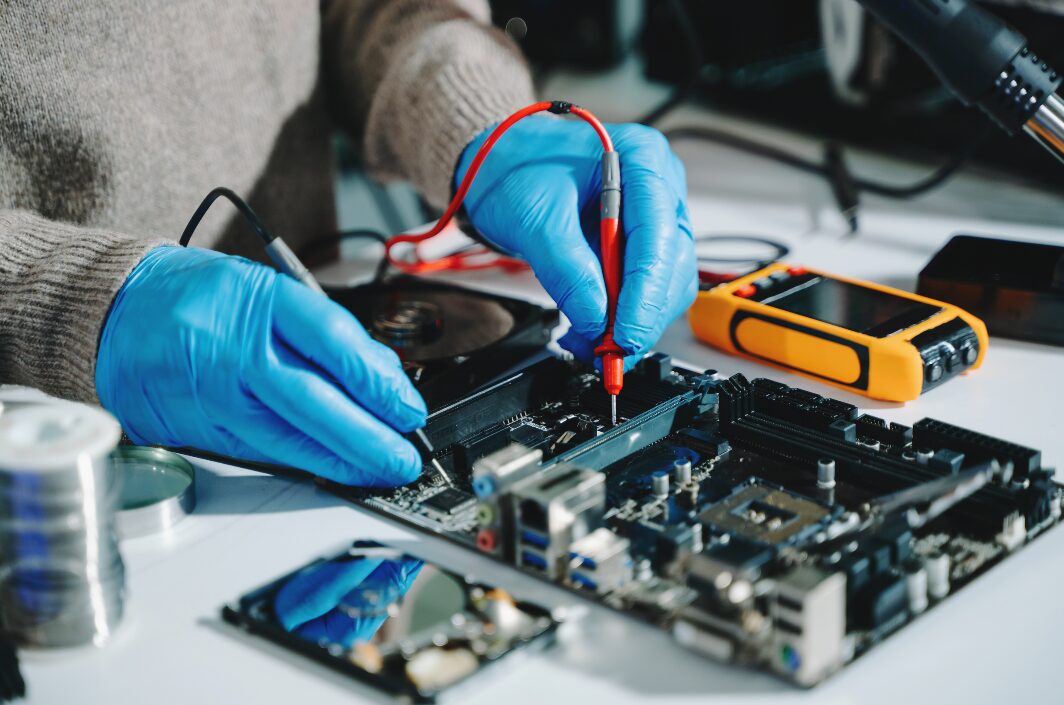
Not every design revision requires another physical build.
The decision depends on several factors, including the significance of the modification, the consequences of failure and the evidence already gathered through previous testing. Minor documentation updates or cosmetic changes rarely justify another prototype. A revision affecting electrical behaviour, physical integration or assembly characteristics deserves much closer examination.
Another useful consideration is whether an additional prototype would provide genuinely new information. If the proposed build cannot answer an unresolved question, another iteration may add cost and development time without improving confidence in the design.
You Need to Validate Performance Before Production
Prototype before production when important performance requirements still exist as design assumptions, engineering calculations or simulation results. A physical build allows the assembled PCB to be assessed against defined requirements before larger manufacturing commitments are made.
Performance means different things depending on the application. One design may require reliable communication between multiple subsystems, while another depends on stable power delivery, thermal behaviour or consistent operation within specific environmental conditions. Whatever the requirement, success should be defined before testing begins.
A structured approach keeps testing focused.
- Define the requirement.
- Decide how it will be measured.
- Build the prototype.
- Record the results.
- Determine whether design changes are required.
For example, a PCB may complete its primary function successfully while still needing to demonstrate reliable communication with another subsystem before the project can progress. Recording objective pass or fail criteria allows development decisions to be based on evidence rather than assumption.
Readers looking for additional context on how a validated design progresses into manufacture may also find everything to know about the PCB assembly process a useful next step.
Engineering-Led Solutions
Work with a team that understands modern electronics and end-to-end manufacturing.
Our ExpertiseYou Want to Identify Manufacturing Issues Early
A PCB can perform its intended function while still presenting challenges during assembly. A prototype build can therefore provide valuable manufacturing feedback before the business commits to larger production quantities.
Design validation and manufacturing readiness are closely related, although they are not the same objective. A circuit may meet every functional requirement while its layout, component selection or physical arrangement creates avoidable difficulties during assembly. Identifying these issues during prototype assembly provides an opportunity to refine the design before production planning advances.
| Design Validation | Manufacturing Validation |
| Does the PCB perform its intended function? | Can the design be assembled as intended? |
| Do components interact correctly? | Does component selection or layout create assembly challenges? |
| Does the design meet defined performance requirements? | Are manufacturing improvements worthwhile before larger production runs? |
This distinction becomes increasingly important as projects move towards production. Early communication with a manufacturing partner can help identify considerations which may not be apparent during schematic design or simulation alone. Prototype assembly should therefore be viewed as an opportunity to evaluate both product performance and manufacturing suitability.
Your PCB Includes New Components or Technologies
New components, packages or technologies introduce assumptions that have not been proven within the existing product. A prototype provides an opportunity to assess those changes before they become part of a larger production commitment.
Component substitution illustrates this well. A replacement device may offer the required electrical characteristics while introducing a different package, altered thermal behaviour or revised layout requirements. Those differences can influence routing, physical integration and assembly, even though the component performs the same function on paper.
The same principle applies when introducing unfamiliar communication devices, power management solutions or other technologies. Each change should be considered within the wider PCB rather than as an isolated purchasing decision.
Questions to validate:
- Does the new component behave as expected within the complete design?
- Does the revised package affect PCB layout or assembly?
- Are interactions with surrounding components unchanged?
- Does firmware require modification?
- Has physical integration been affected?
- Are there any new manufacturing considerations?
Answering these questions through a prototype provides stronger evidence than relying solely on design documentation or component specifications.
Ready to start your project?
Contact our technical team today to see how Altimex can streamline your electronics supply chain.
Contact UsYou Need to Meet Industry or Customer Requirements
A prototype can be particularly important when the finished product must demonstrate specific customer, technical or industry requirements before production. The prototype and accompanying test plan should reflect the actual requirement rather than relying on a generic testing checklist.
Some customers specify measurable operating requirements before approving a design for manufacture. Others require evidence that defined functional objectives have been achieved before progressing to the next stage of development. In both situations, prototype testing should focus on the agreed acceptance criteria.
A structured approach may include:
- Reviewing customer specifications.
- Defining measurable acceptance criteria.
- Planning appropriate functional testing.
- Recording test results clearly.
- Identifying any outstanding development work.
It is equally important to recognise the limits of prototype testing. Demonstrating that a prototype satisfies agreed development objectives does not automatically provide formal certification or regulatory approval. Where compliance requirements exist, separate assessment processes may still be required.
You Need to Resolve Expensive Uncertainties Before Production
Prototyping is commercially valuable when it answers an important unresolved question before significantly more time or money is committed to production. Its value comes from resolving uncertainty rather than guaranteeing a cheaper project.
The benefit depends on context. Discovering a layout issue during a small prototype build generally has different implications from identifying the same issue after committing to a substantially larger production quantity. Equally, producing repeated prototype iterations without a clear objective may add cost without generating useful evidence.
A practical way to assess whether another prototype is worthwhile is to compare the effort involved with the importance of the unanswered question.
Consider:
- What uncertainty remains?
- What could happen if it is not resolved?
- Can another prototype realistically answer that question?
- Would the findings influence the next engineering decision?
When those questions produce clear answers, the value of another prototype becomes much easier to justify.
How Do You Know When Your PCB Is Ready to Move Beyond Prototyping?
A PCB is closer to moving beyond prototyping when the important questions identified for the build have been answered, critical requirements have been demonstrated and the remaining risks are understood. Another prototype should have a defined purpose rather than being ordered because another iteration feels safer.
A useful review includes the following points.
Are we ready to progress?:
- Required functionality has been demonstrated.
- Performance requirements have been tested against agreed criteria.
- Significant design changes have been validated.
- Manufacturing considerations have been reviewed.
- System integration has been assessed where required.
- Component decisions are sufficiently stable.
- Known issues have been addressed or consciously accepted.
- Supporting documentation is available.
- A further prototype would answer a clearly identified question.
Reaching this stage does not mean every possible uncertainty has disappeared. Engineering projects always involve informed judgement. The objective is to ensure the remaining questions no longer justify another prototype build before progressing towards production.
If you are preparing a PCB for prototype assembly or deciding whether a design is ready for its next manufacturing stage, contact us to discuss your requirements and the most appropriate next step.